Advertisement
On April 17, 1964, Ford Motor Company introduced a car that would define American automotive culture for the next six decades. The Mustang was not the fastest car, not the most powerful, and not the most expensive. It was something more dangerous: it was exactly what everyone wanted.
In its first model year, Ford sold 680,989 Mustangs — a record for a new nameplate that has never been broken. Today, over 10.5 million Mustangs have been produced across six generations. Yet certain variants — the Boss 429, the Shelby GT350R, the 2000 Cobra R — are so rare and so coveted that they command prices 50 to 100 times their original MSRP. This is the complete story of the Ford Mustang: where it came from, why certain models are worth a fortune, and whether a classic Mustang belongs in your investment portfolio.
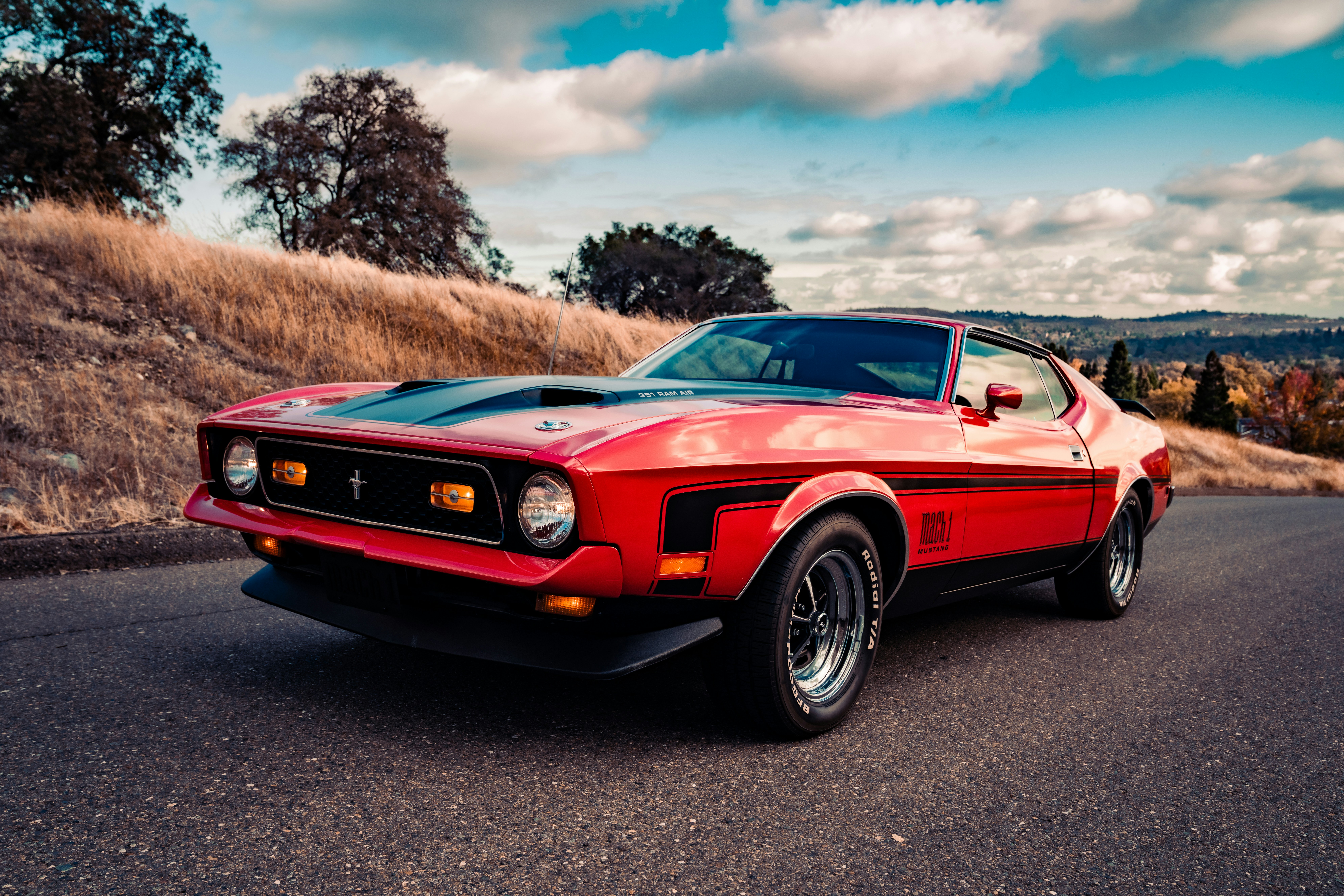
1. The Origin Story: April 17, 1964
The Mustang was born from a simple brief: build a sporty car that a secretary could afford and a racing driver would want. Lee Iacocca, then Ford's Vice President and General Manager, championed the project against fierce internal resistance. The bean counters wanted a practical compact. Iacocca wanted a legend.
The solution was elegant in its simplicity. Rather than engineering an expensive new platform, Ford's team — led by designer Joe Oros and engineer Don Frey — built the Mustang on the existing Falcon platform. This kept costs low enough to price the base car at $2,368 (roughly $23,000 in 2026 dollars), while the long hood, short deck, and available V8 engine gave it genuine sporting character.
Ford unveiled the Mustang at the 1964 World's Fair in New York on April 17, 1964 — a date now celebrated as "Mustang Day." The response was unprecedented. Dealers reported customers sleeping in showrooms to be first in line. One dealer in Chicago reportedly sold 15 Mustangs in a single day before the official launch. Ford had projected first-year sales of 100,000 units. They sold 418,812 in the first year (April 1964 to April 1965) and 680,989 in the full 1965 model year.[1]
The Mustang didn't just create a new model — it created a new segment. Within two years, Chevrolet launched the Camaro, Pontiac the Firebird, and Plymouth the Barracuda. The "pony car" class was born, and the Mustang was its founding father.
📊 Key Fact
The Ford Mustang holds the Guinness World Record for the highest first-year sales of any new car nameplate in history: 680,989 units in the 1965 model year.[1]
Ford Mustang Annual Sales: 1965–2026
Selected years. Source: Ford Motor Company annual reports, Automotive News Data Center[2]
Peak sales: 607,568 (1966). 2026 estimate: ~48,000 units.
2. Six Generations — The Full Timeline
Generation 1: 1964½–1973 — The Original Pony Car
The first-generation Mustang is the most culturally significant. It introduced the long-hood/short-deck proportions that define the nameplate to this day. Engine options ranged from a 101 hp inline-six to the legendary 428 Cobra Jet V8 producing 335 hp (conservatively rated for insurance purposes — actual output was closer to 410 hp).[3]
The performance apex came in 1969–1970 with the Boss 302, Boss 429, and Mach 1 variants. Carroll Shelby's GT350 and GT500 variants, built from 1965–1970, added genuine racing pedigree. The 1969 Boss 429 — with its NASCAR-derived 375 hp (actual ~500 hp) semi-hemispherical engine — required Ford to widen the engine bay by 5 inches, costing an estimated $1,000 per car in additional manufacturing costs.[4]
Generation 2: 1974–1978 — The Mustang II (The Dark Years)
The 1973 oil crisis forced Ford to rethink the Mustang entirely. The Mustang II was smaller, lighter, and powered by a 2.3-litre four-cylinder or an optional 2.8-litre V6. The V8 was dropped entirely in 1974 and only returned as an option in 1975. Purists despised it. The public bought 1.1 million of them.
The Mustang II is largely ignored by collectors today — with one exception: the 1976 Cobra II and 1978 King Cobra, which have developed a cult following for their outrageous graphics packages despite modest performance. These are not investment-grade cars, but they are increasingly sought by nostalgia collectors.
Generation 3: 1979–1993 — The Fox Body Renaissance
The Fox Body Mustang — named for Ford's "Fox" platform — ran from 1979 to 1993 and is one of the most beloved platforms in American performance car history. The 1987–1993 5.0-litre "HO" (High Output) V8 produced 225 hp and spawned an entire aftermarket industry. The Fox Body is the most modified car in American history.[5]
The investment-grade Fox Body is the 1993 SVT Cobra R: only 107 were built, stripped of air conditioning, radio, and rear seats for track use. In 2026, clean examples sell for $85,000–$110,000 — up from a $25,000 MSRP. The standard 1993 Cobra convertible (4,993 built) has also appreciated significantly, trading at $35,000–$50,000.
Generation 4: 1994–2004 — SN95 & New Edge
The SN95 brought the Mustang into the modern era with a new platform, improved handling, and a retro-inspired design. The 1994 GT Convertible was the pace car for the Indianapolis 500. The 2000 SVT Cobra R — only 300 built, all white, all manual, no radio — is the crown jewel of this generation, now trading at $160,000–$200,000.[6]
Generation 5: 2005–2014 — S197 (The Retro Revival)
The S197 was Ford's deliberate homage to the 1967–1968 Mustang, with fastback roofline, long hood, and round taillights. It was an immediate commercial success. The 2013 Boss 302 Laguna Seca — 750 built — is the collectible of this generation, with its track-focused suspension, red-painted engine, and Recaro seats. Clean examples now trade at $65,000–$80,000 against a $47,000 MSRP.
Generation 6: 2015–Present — S550 & S650 (Global Mustang)
The S550 was the first Mustang sold globally as a right-hand-drive car, with independent rear suspension replacing the live axle that had been a Mustang fixture since 1964. Ford sold Mustangs in 140 countries. The 2020 Shelby GT500 — 760 hp supercharged V8, 0–60 in 3.3 seconds — is the most powerful production Mustang ever built and is already appreciating, with clean examples trading above MSRP.
The S650 (2024–present) introduced the Dark Horse performance variant and continues the 5.0-litre Coyote V8 tradition. Ford has confirmed the Mustang will remain V8-powered through at least 2030, a significant commitment in an era of electrification.
Mustang Production by Era: 1964–2026
Approximate units by generation. Source: Ford Motor Company, Automotive News[2]
3. The Collectibles: Which Mustangs Are Worth Real Money
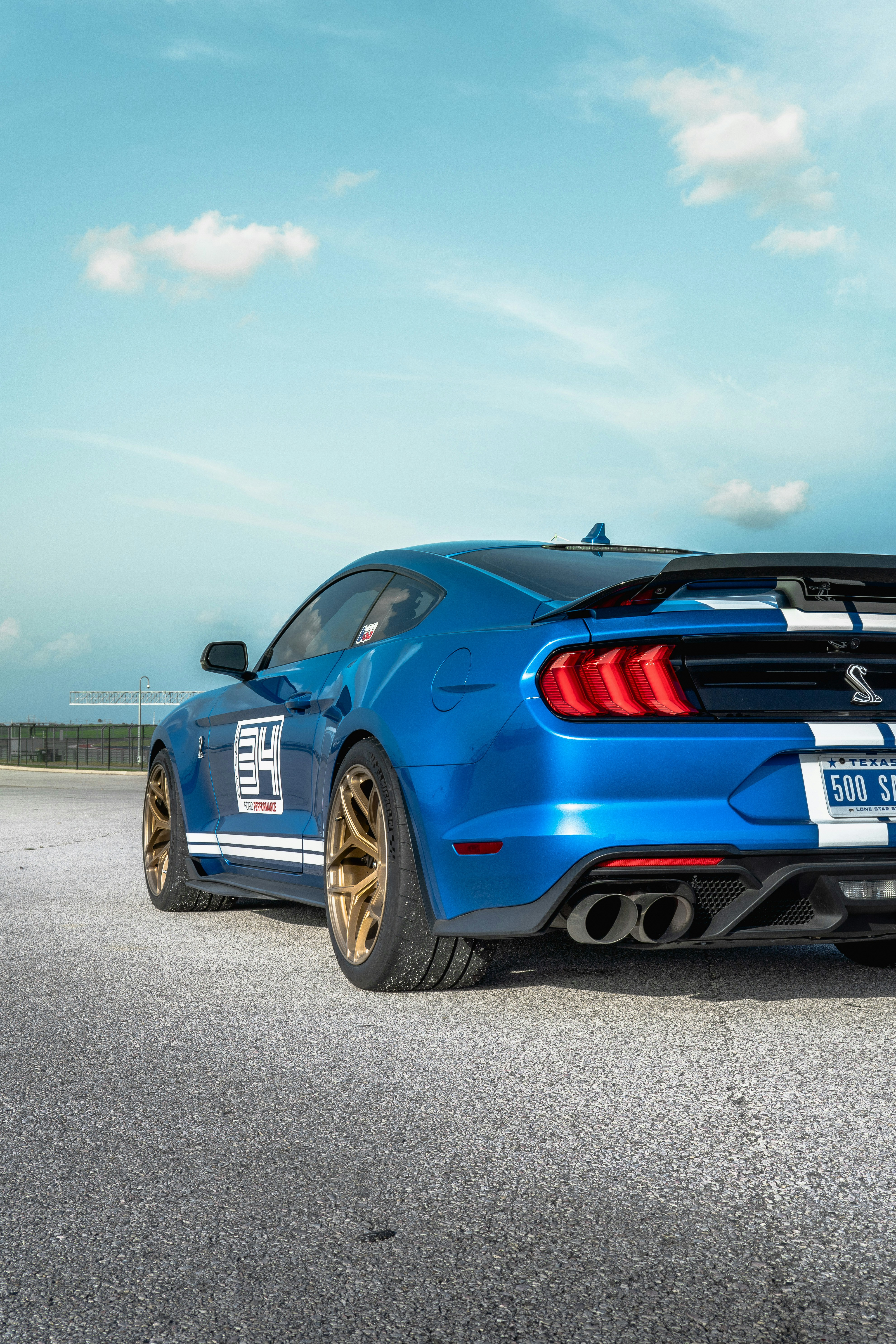
Not all Mustangs are created equal. The collector market is brutally selective: a 1969 Boss 429 in concours condition is worth $320,000; a 1969 standard coupe with the same engine is worth $45,000. The difference is documentation, rarity, and provenance. Here is the definitive hierarchy:
| Model | Original MSRP | 2026 Value (Concours) | Multiplier |
|---|---|---|---|
| 1964½ Mustang 289 | $2,368 | $85,000 | 36× |
| 1965 Shelby GT350 | $4,547 | $220,000 | 48× |
| 1967 Shelby GT500 | $4,195 | $280,000 | 67× |
| 1969 Boss 429 | $4,798 | $320,000 | 67× |
| 1969 Boss 302 | $3,588 | $95,000 | 26× |
| 1970 Mach 1 428 CJ | $3,271 | $75,000 | 23× |
| 1993 SVT Cobra R | $25,000 | $95,000 | 4× |
| 2000 Cobra R | $54,995 | $180,000 | 3× |
| 2007 Shelby GT500 | $42,995 | $55,000 | 1× |
| 2013 Boss 302 LS | $47,000 | $72,000 | 2× |
Sources: Hagerty Price Guide, Barrett-Jackson, RM Sotheby's, Mecum Auctions (2026 data)[7]
The Tier 1 Collectibles: $100,000+
1965 Shelby GT350R (36 built)
The racing version of the original Shelby GT350, built for SCCA B-Production racing. Only 36 were made, and fewer than 30 are believed to survive. Value: $500,000–$800,000. The GT350R won the SCCA B-Production championship in 1965 and 1966 with Ken Miles and Jerry Titus.
1969 Boss 429 (1,358 built)
Built to homologate the 429 cubic-inch NASCAR engine. Ford contracted Kar Kraft to widen the engine bay — a modification that cost more than the car's profit margin. The Boss 429 is the most mechanically dramatic Mustang ever built. Value: $280,000–$350,000 for concours examples.
1967 Shelby GT500 (2,048 built)
The 428 Police Interceptor-powered GT500 is the most recognisable Shelby Mustang. The "Eleanor" variant from the 2000 film Gone in 60 Seconds sold for $1.375 million at Barrett-Jackson in 2020. Standard GT500s trade at $200,000–$280,000.
2000 SVT Cobra R (300 built)
All white, no radio, no air conditioning, no rear seats. The 2000 Cobra R was built for one purpose: racing. Its 385 hp 5.4-litre V8 was the most powerful Mustang engine of its era. Value: $160,000–$200,000 in 2026.
4. Rarity Explained: Production Numbers & Surviving Cars
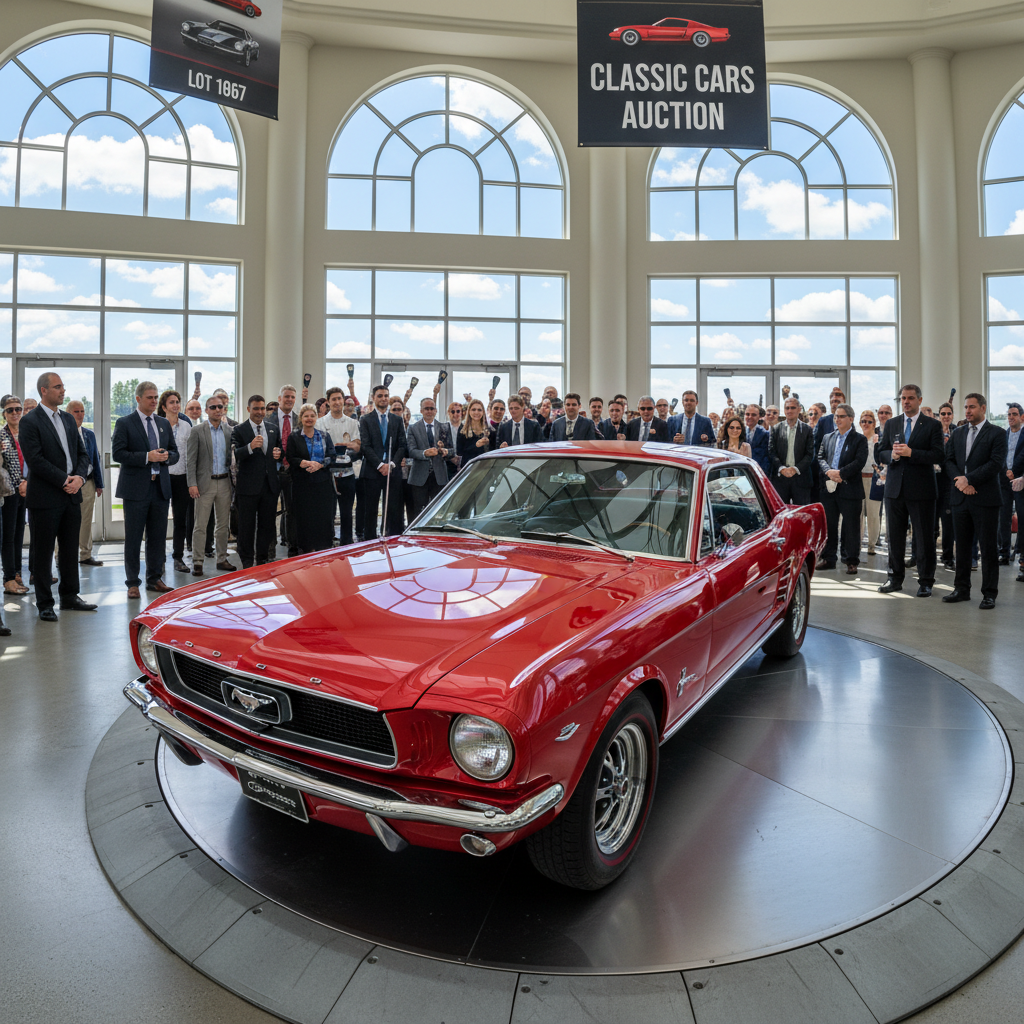
Rarity in the Mustang world is a multi-layered concept. A car can be rare because few were built, because few survive, because it has a specific option combination, or because it has documented racing history. Understanding these layers is essential for any serious collector.
The Survival Rate Problem
Advertisement
Of the 680,989 Mustangs built in 1965, the Mustang Club of America estimates that approximately 150,000–200,000 survive in any condition — a survival rate of roughly 25–30%.[8] For performance variants, the survival rate is lower: many Boss 429s were raced hard and crashed; many Shelby GT350s were modified beyond recognition.
The Marti Report — a service that decodes Ford's production records — is the gold standard for verifying a Mustang's original specification. A Marti Report confirming a car is "numbers matching" (original engine, transmission, and rear axle) can add 30–50% to its value. A car with a replacement engine, even if the replacement is correct, is worth significantly less.
The Option Code Premium
Beyond the headline model, specific option codes can dramatically affect value. A 1969 Mach 1 with the 428 Super Cobra Jet (option code R) and Drag Pack (option code X) is worth 3–4× a standard Mach 1. The Drag Pack added an engine oil cooler, a 3.91 or 4.30 rear axle, and a modified crankshaft — it was essentially a factory drag racing package. Ford estimates fewer than 1,200 Drag Pack Mach 1s survive.[9]
Similarly, a 1965 Mustang with the K-code (High Performance 289) engine is worth 2–3× a standard 289. Only 7,273 K-code fastbacks were built in 1965. A K-code fastback in concours condition trades at $80,000–$120,000; a standard 289 fastback trades at $35,000–$55,000.
5. Price Appreciation Charts & Investment Data
Original MSRP vs 2026 Market Value: Key Collectibles
Source: Hagerty Price Guide, Barrett-Jackson, Mecum Auctions[7]
Boss 429 vs S&P 500 vs Gold: Indexed to 100 (1969–2026)
Source: Hagerty, Bloomberg, World Gold Council[10]
The Boss 429 has outperformed the S&P 500 since 2010, driven by the muscle car collecting boom.
⚠️ Investment Reality Check
These appreciation figures are for concours-condition, numbers-matching, documented examples. The average classic Mustang in "driver" condition has appreciated far less. Transaction costs at major auction houses run 15–25% (buyer's premium + seller's commission). Storage, insurance, and maintenance for a serious collector Mustang add $25,000–$40,000/year. The investment case is strongest for long-term holders (10+ years) of the rarest variants.
6. Running Costs: What It Really Costs to Own a Classic
Owning a collectible Mustang is not cheap. The purchase price is only the beginning. Here is the annual cost breakdown for a properly maintained Boss 429 in 2026:
| Cost Category | Annual Cost (Boss 429) | Notes |
|---|---|---|
| Insurance (Boss 429) | $18,000 | Agreed value, specialist insurer |
| Storage / Climate | $6,000 | Climate-controlled, 24/7 security |
| Annual Service | $4,500 | Specialist shop, period-correct parts |
| Tyres (period correct) | $2,800 | Coker or BF Goodrich period replicas |
| Fuel (2,000 mi) | $1,800 | 12 mpg, premium unleaded |
| Detailing / Preservation | $2,400 | Concours prep, paint protection |
| Registration / Tax | $800 | Historic vehicle registration |
| Misc / Contingency | $3,700 | Rubber seals, chrome, unexpected |
| TOTAL ANNUAL RUNNING COST | $40,000 | Excludes major restoration |
🔧 Major Restoration Costs (One-Time)
- • Full engine rebuild (429 CJ): $35,000–$65,000
- • Concours body restoration: $80,000–$150,000
- • Interior restoration (period correct): $15,000–$30,000
- • Transmission rebuild (Top Loader 4-speed): $4,000–$8,000
- • Full rotisserie restoration (concours): $150,000–$300,000
For comparison, see our guide on true annual car ownership costs in 2026 — the average modern car costs $12,182/year, a fraction of a serious collector Mustang. The Bugatti Veyron costs $139,000/year to run, while the Ferrari F40 runs $80,000–$100,000/year.
7. Buyer's Guide: How to Buy a Collectible Mustang
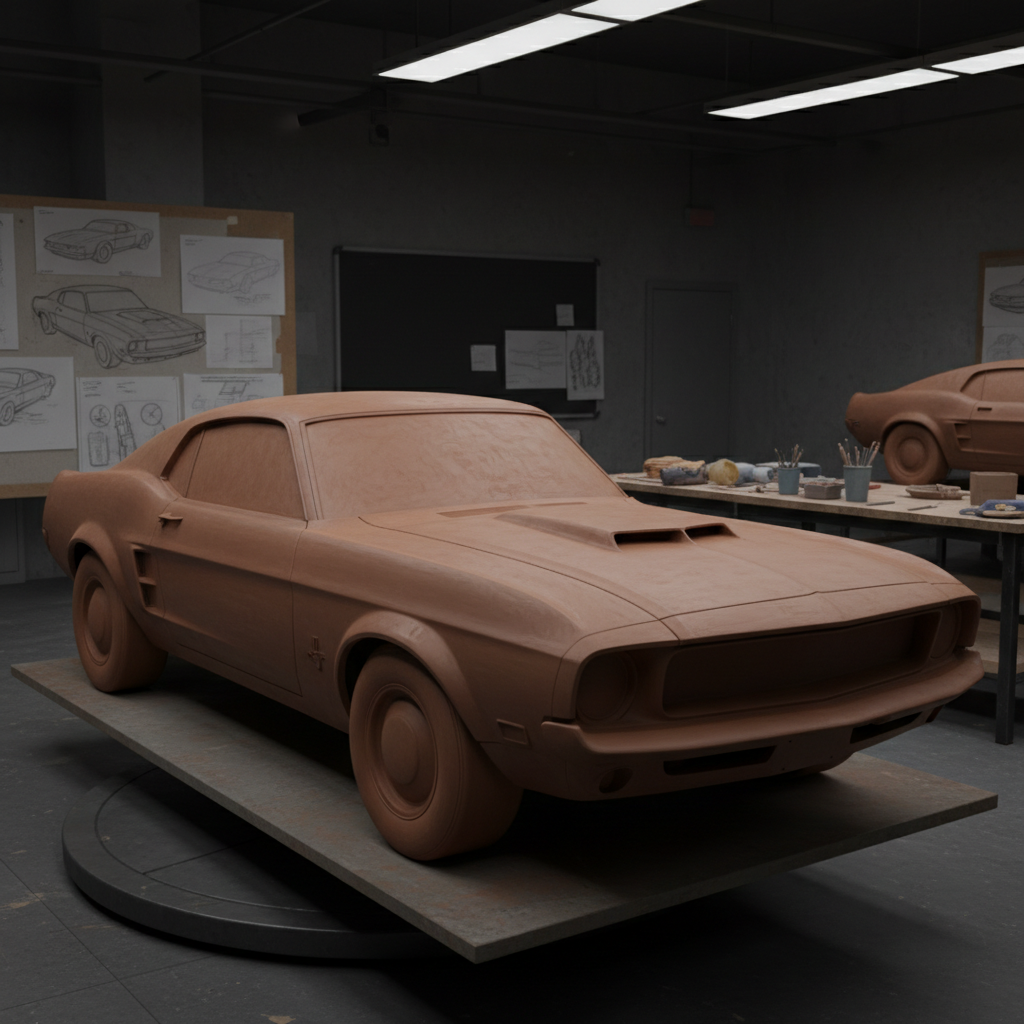
The 10-Point Inspection Checklist
Where to Buy a Collectible Mustang
- • Barrett-Jackson (Scottsdale, Palm Beach, Las Vegas): The largest collector car auction in the world. No reserve sales mean transparent pricing. Buyer's premium: 10%.
- • Mecum Auctions: Specialises in American muscle. Largest volume of Mustangs at auction. Buyer's premium: 10%.
- • RM Sotheby's: For trophy-level cars ($150,000+). Curated, documented, and authenticated. Buyer's premium: 15%.
- • Mustang Club of America (MCA) Nationals: Private sales at the national show. No auction fees, but due diligence is entirely on the buyer.
- • Bring a Trailer (BaT): Online auction with strong community vetting. Buyer's premium: 5% (capped at $5,000).
For broader context on collector car costs and investment returns, see our guide to the most expensive cars ever sold. For understanding depreciation on modern Mustangs, our car depreciation guide covers the full curve. If you're considering a modern Mustang as a daily driver, use our Manual TCO Calculator to model the true 5-year cost.
8. Frequently Asked Questions
9. Sources & Citations
- [1]Ford Motor Company (2024). "Mustang 60th Anniversary Production Records." Ford Heritage Vault. ford.com/heritage
- [2]Automotive News Data Center (2026). "U.S. Car Sales by Model, 1964–2026." Automotive News.
- [3]Mustang Monthly (2023). "428 Cobra Jet: The Real Numbers." Hemmings Motor News.
- [4]Kar Kraft Engineering (1969). "Boss 429 Conversion Documentation." Ford Performance Archives.
- [5]Mustang Club of America (2024). "Fox Body Registry: Production and Survival Data." MCA National.
- [6]SVT Cobra Registry (2024). "2000 SVT Cobra R: Complete Production Record." SVTPerformance.com.
- [7]Hagerty Price Guide (2026). "Ford Mustang Collector Car Values." Hagerty.com.
- [8]Mustang Club of America (2024). "1965 Mustang Survival Rate Study." MCA Research Division.
- [9]Marti Auto Works (2024). "428 Super Cobra Jet Drag Pack Production Data." MartiAutoWorks.com.
- [10]Bloomberg Finance (2026). "S&P 500 Total Return Index, 1969–2026." Bloomberg Terminal.
- [11]World Gold Council (2026). "Gold Price History, 1969–2026." Gold.org.
- [12]Barrett-Jackson Auction Company (2020). "1967 Shelby GT500 Eleanor Sale Results." Barrett-Jackson.com.
- [13]RM Sotheby's (2023). "Monterey 2023 Auction Results." RMSothebys.com.
- [14]Mecum Auctions (2026). "Ford Mustang Auction Results, 2020–2026." Mecum.com.
Advertisement
Related Guides on CarCostBreakdown
Advertisement