2026 Hybrid Market Snapshot
Advertisement

Why Hybrids Are Dominating in 2026
Three forces converged in late 2025 to make hybrids the hottest segment in the U.S. auto market. First, the federal EV tax credit — worth up to $7,500 — expired on September 30, 2025, immediately cooling battery-electric demand. Second, average new-vehicle transaction prices hit $49,353 in early 2026 (Kelley Blue Book), pushing buyers toward value-focused options. Third, gas prices remained elevated, making fuel economy a top purchase priority.
The result: hybrids emerged as the clear winner. According to Urban Science's Q2 2026 U.S. EV Sales Report, hybrid electric vehicles (HEVs) reached 18.1% of all U.S. retail new-vehicle sales in Q2 2026 — up from just 4.2% in 2020. That's a 330% increase in market share in six years.
“Hybrids are having their moment. They work the way people expect cars to work, but with significantly better fuel economy.”
— Stephanie Valdez Streaty, Director of Insights, Cox Automotive (CNBC, May 2026)
A 2026 TransUnion survey found 33% of prospective buyers were leaning toward hybrids — up from under 20% in 2023 — while EV consideration fell to 16%. The shift reflects a pragmatic consumer: one who wants fuel savings without the charging infrastructure commitment.
Related: Wondering if an EV still makes sense for you? Read our EV Total Cost of Ownership Guide and our Best EVs Under $40,000 in 2026.
Hybrid Market Share Data: 2020–2026
The data below, sourced from the U.S. Energy Information Administration (EIA), Urban Science, and Cox Automotive, shows the dramatic rise of hybrid vehicles and the simultaneous decline of BEV market share following the expiration of federal tax credits.
U.S. Powertrain Market Share (%) — 2020 to Q2 2026
Source: EIA, Urban Science, Cox Automotive | Electrified segment only shown for clarity
⚠️ BEV market share peaked at 12% in Sept 2025 (pre-credit expiry) before falling to 6% in H1 2026. Hybrid share has grown every single quarter since 2020.
U.S. Hybrid Sales Volume — Annual Units Sold
Source: Argonne National Laboratory, Urban Science | H1 2026 = Jan–Jun 2026
Hybrid sales grew 113% from 2020 to 2025. H1 2026 alone (1.02M units) already exceeds full-year 2022 totals.
2026 Consumer Powertrain Preference
Source: TransUnion 2026 Automotive Consumer Survey
Best Hybrid Cars in 2026: Ranked by Value
We ranked the top hybrid vehicles for 2026 based on five factors: fuel economy (MPG), annual fuel savings vs gas equivalent, reliability scores, payback period (years to recoup the hybrid premium), and 5-year total cost of ownership. All pricing reflects 2026 base MSRP.
Toyota RAV4 Hybrid
Starting at $32,350
Best overall hybrid SUV — unbeatable reliability, massive dealer network, strong resale
Toyota Camry Hybrid
Starting at $30,990
Best hybrid sedan — highest MPG in class, lowest 5-year fuel cost, exceptional reliability
Honda CR-V Hybrid
Starting at $33,950
Best hybrid for families — spacious interior, lowest insurance rates, Honda reliability
Ford Escape Hybrid
Starting at $31,490
Best value compact hybrid — highest MPG in segment, strong incentives available
Hyundai Santa Fe Hybrid
Starting at $35,450
Best mid-size hybrid SUV — premium features, 10-year powertrain warranty, great tech
Toyota Sienna Hybrid
Starting at $38,985
Best hybrid minivan — only minivan with AWD, exceptional family fuel savings

Real Fuel Savings by Model
Fuel savings calculations below assume 15,000 miles/year at $3.80/gallon (2026 national average). Hybrid MPG figures are EPA combined ratings. Gas equivalent MPG is from the base non-hybrid trim of the same model.
According to JD Power 2026 data, hybrids typically achieve 25–40% better fuel economy than comparable gas-powered models. The Camry Hybrid's 52 MPG combined is the standout — nearly double the 32 MPG of the standard Camry.
Annual Fuel Savings: Hybrid vs Gas Equivalent
Assumes 15,000 mi/yr at $3.80/gal | Source: EPA fuel economy ratings, JD Power 2026
💡 The Payback Math
The average hybrid premium over a gas equivalent is $2,000–$3,500. At $820–$1,180 in annual fuel savings, most hybrids pay back their premium in 2–4 years. If you keep the car for 5+ years (the average U.S. ownership period is 8.4 years), the savings are substantial.
Calculate your exact savings: Use our EV vs Fuel Cost Calculator to compare hybrid, EV, and gas costs based on your actual driving habits and local fuel prices.
5-Year Total Cost: Hybrid vs Gas vs EV
The total cost of ownership (TCO) picture in 2026 has shifted dramatically.
Advertisement
5-Year Cost Breakdown: Hybrid vs Gas vs EV (Average)
Source: Kelley Blue Book, Cox Automotive, Consumer Reports 2026 | Assumes 15,000 mi/yr, $3.80/gal, $0.14/kWh
| Cost Category | Gas Vehicle | Hybrid ✓ | Electric Vehicle |
|---|---|---|---|
| Purchase Price | $35,000 | $37,500 | $43,700 |
| Fuel (5yr) | $12,500 | $7,800 | $4,200 |
| Maintenance (5yr) | $5,200 | $4,400 | $3,800 |
| Insurance (5yr) | $8,500 | $8,200 | $9,100 |
| Depreciation (5yr) | $14,000 | $12,500 | $16,800 |
| 5-Year Total | $75,200 | $70,400 | $77,600 |
🏆 Hybrid Wins the 5-Year TCO Race in 2026
The average hybrid saves $4,800 over 5 years compared to a gas vehicle, and $7,200 compared to an EV (after the federal tax credit expired). The hybrid advantage comes from lower fuel costs, lower depreciation, and a lower purchase price than EVs.
See the full breakdown: True Cost of Car Ownership Guide | How Much Car Can You Afford by Salary?
Hybrid vs EV in 2026: Which Is Right for You?
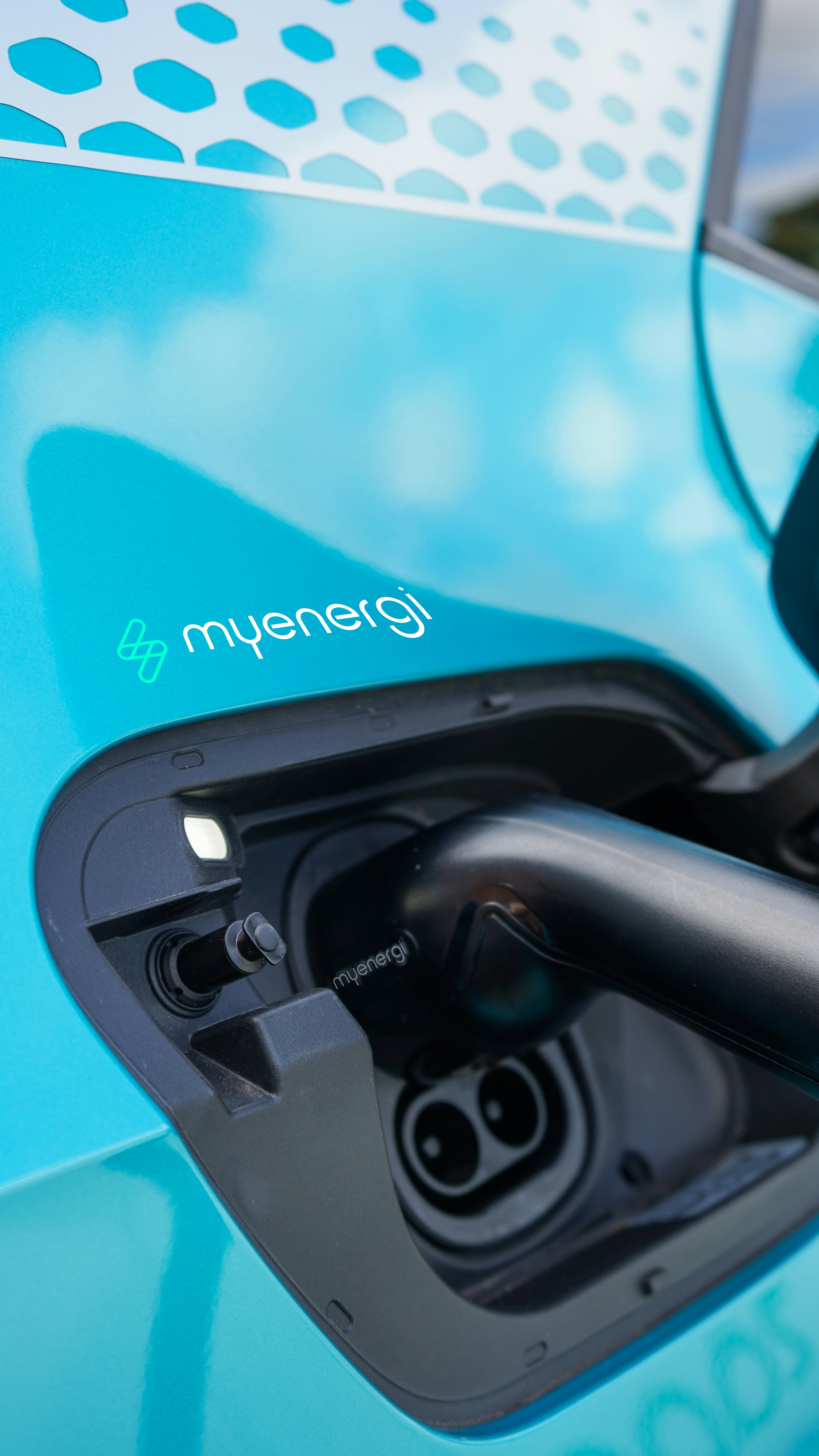
The hybrid vs EV debate has shifted significantly in 2026. With the federal EV tax credit expired, the price gap between EVs and hybrids has widened to an average of $6,200 (Cox Automotive, early 2026). Meanwhile, Consumer Reports data shows EVs have 80% more problems on average than gas cars, while hybrids have 15% fewer problems.
✅ Choose a Hybrid If:
- • You don't have home charging capability
- • You frequently drive long distances or road trip
- • You live in a rural area with limited charging infrastructure
- • You want maximum reliability (15% fewer problems than gas)
- • Your budget is under $38,000
- • You want the lowest 5-year total cost of ownership
- • You want strong resale value (hybrids retain value better than EVs)
⚡ Choose an EV If:
- • You have home charging (Level 2 charger installed)
- • You drive mostly short, predictable daily commutes
- • You live in California or another high-EV-infrastructure state
- • You want the lowest possible fuel costs long-term
- • You can find a used EV under $25,000 (44% of used EVs in March 2026)
- • You want zero tailpipe emissions
The bottom line: For the majority of U.S. buyers in 2026, a hybrid offers the best balance of fuel savings, reliability, and total cost. The EV case is strongest for buyers in California (where combined EV share hit 48.6% in Q2 2026) and other high-infrastructure states, or for buyers who can find a used EV under $25,000.
Deep dive: Full EV vs Gas Comparison Tool — enter your driving habits and get a personalised cost comparison.
How to Buy a Hybrid in 2026: 7 Expert Tips

Calculate Your Real Payback Period
Don't just look at the hybrid premium — calculate how many years it takes to recoup it through fuel savings. At $820/year in savings, a $2,500 hybrid premium pays back in 3 years. If you keep the car 8+ years (the U.S. average), the savings are significant.
Get Pre-Approved Before Visiting the Dealership
With average transaction prices at $49,353, financing matters enormously. Get pre-approved by at least two lenders (bank, credit union, or online lender) before visiting any dealership. This gives you a benchmark and prevents dealers from steering you into worse financing.
Compare the Out-the-Door Price, Not the Monthly Payment
Dealers often focus on monthly payments to obscure the total cost. Always negotiate the out-the-door price (MSRP + fees + taxes) first, then discuss financing separately. A longer loan term lowers monthly payments but increases total cost.
Check Hybrid Incentives — They Still Exist
While federal EV tax credits expired, many states still offer hybrid incentives. California, Colorado, and Massachusetts offer rebates of $1,000–$2,500 for hybrid purchases. Some manufacturers also offer low-APR financing on hybrid models.
Prioritise Reliability Over Features
Toyota and Honda hybrids consistently rank highest for reliability. Consumer Reports data shows Toyota hybrids average 9.0–9.4/10 reliability scores. A reliable hybrid with fewer features will cost you less over 8 years than a feature-rich hybrid with reliability issues.
Consider Certified Pre-Owned (CPO) Hybrids
A 2–3 year old CPO hybrid offers the best value in 2026. You avoid the steepest depreciation (20% in year 1), get warranty protection, and still benefit from years of fuel savings. Toyota CPO hybrids come with a 7-year/100,000-mile powertrain warranty.
Time Your Purchase for Maximum Savings
The best time to buy is end of month, end of quarter (March, June, September, December), or when new model year inventory arrives (typically August–October). Dealers are more motivated to hit sales targets, and you can negotiate more aggressively.
More buying strategy: Car Negotiation Tactics That Actually Work | Best Time to Buy a Car in 2026 | Certified Pre-Owned Guide
Frequently Asked Questions
Are hybrid cars worth buying in 2026?
What is the best hybrid car to buy in 2026?
How much do hybrids save on fuel per year?
Is a hybrid better than an EV in 2026?
Do hybrids require special maintenance or charging?
What is the hybrid market share in 2026?
Sources & Citations
- Urban Science, Q2 2026 U.S. EV Sales Report: Hybrids Lead the Charge, July 16, 2026 — urbanscience.com
- U.S. Energy Information Administration (EIA), Hybrid sales rise while battery electric sales remain lower after tax credit expiration, July 27, 2026 — eia.gov
- CNBC / Cox Automotive, Hybrids 'having their moment' as car buyers rethink electric vehicles, May 19, 2026 — cnbc.com
- Kelley Blue Book, Average New-Vehicle Transaction Price Report, February 2026 — kbb.com
- Consumer Reports, Hybrid and EV Buying Guide — Reliability Survey Data, Updated March 2026 — consumerreports.org
- TransUnion, 2026 Automotive Consumer Powertrain Preference Survey — transunion.com
- JD Power, 2026 Fuel Economy Study — Hybrid vs Gas Comparison — jdpower.com
- Argonne National Laboratory, Light Duty Electric Drive Vehicles Monthly Sales Updates, March 2026 — anl.gov
- Cox Automotive, Q1 2026 Used Vehicle Market Report — coxautoinc.com
Continue Your Research
Advertisement
Advertisement